


Events
DELIVER America 2025
Patagonia’s CSCO on running sustainability through the whole supply chain.
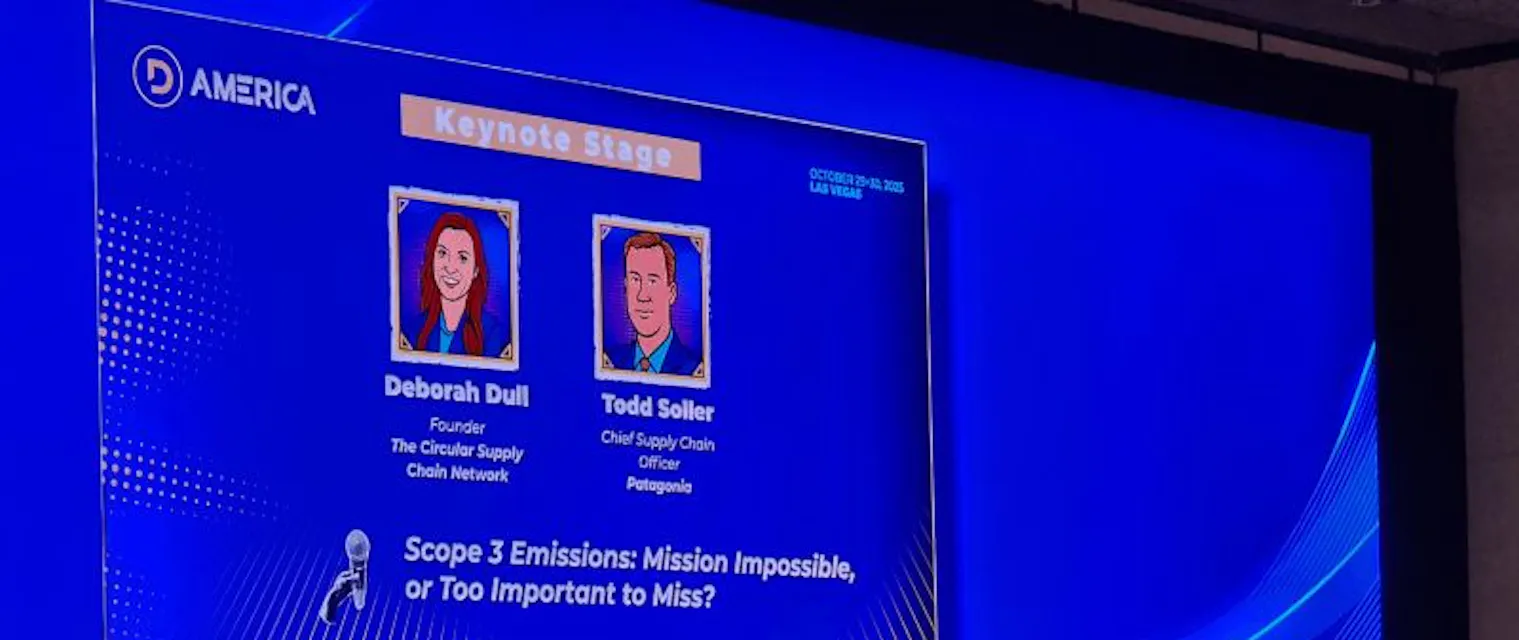

Patagonia’s CSCO on running sustainability through the whole supply chain.
“Fashion is a dirty business,” said Patagonia’s CSCO, Todd Soller, in a conversation with Deborah Dull at DELIVER conference last week.
He shared how the company moves beyond the industry’s superficial, “rubber-stamping” initiatives that still produce disposable products with toxic processes.
Patagonia implements an “environmental P&L,” a sustainability score they created. If that score isn’t positive for a product, they block its launch or production.
I’m well aware this is a level of operationalizing sustainability that not all companies have the “luxury” to do. Nevertheless, it’s fascinating to see how Patagonia is putting money where its mouth is.
Todd reported that a staggering 95% of Patagonia’s carbon footprint is Scope 3 (indirect emissions from transportation, fabric making, etc.). These are notoriously difficult to reduce because they’re outside a company’s direct control.
Here’s how they approach it:
What Patagonia demonstrates is that serious “sustainability” goes beyond the marketing department’s purview and touches every function within a company and, even more importantly, its entire ecosystem of suppliers, designers, and customers.
It’s not the only company doing this (Todd also called out partners such as Ellen Kapiloff @ Lacoste) but it remains one of the most prominent examples of making sustainability a core corporate value.
Originally posted by Philipp Gutheim on LinkedIn.
We will show you agents working on your own documents, in 30 minutes.